Brice Marden: Works on Paper
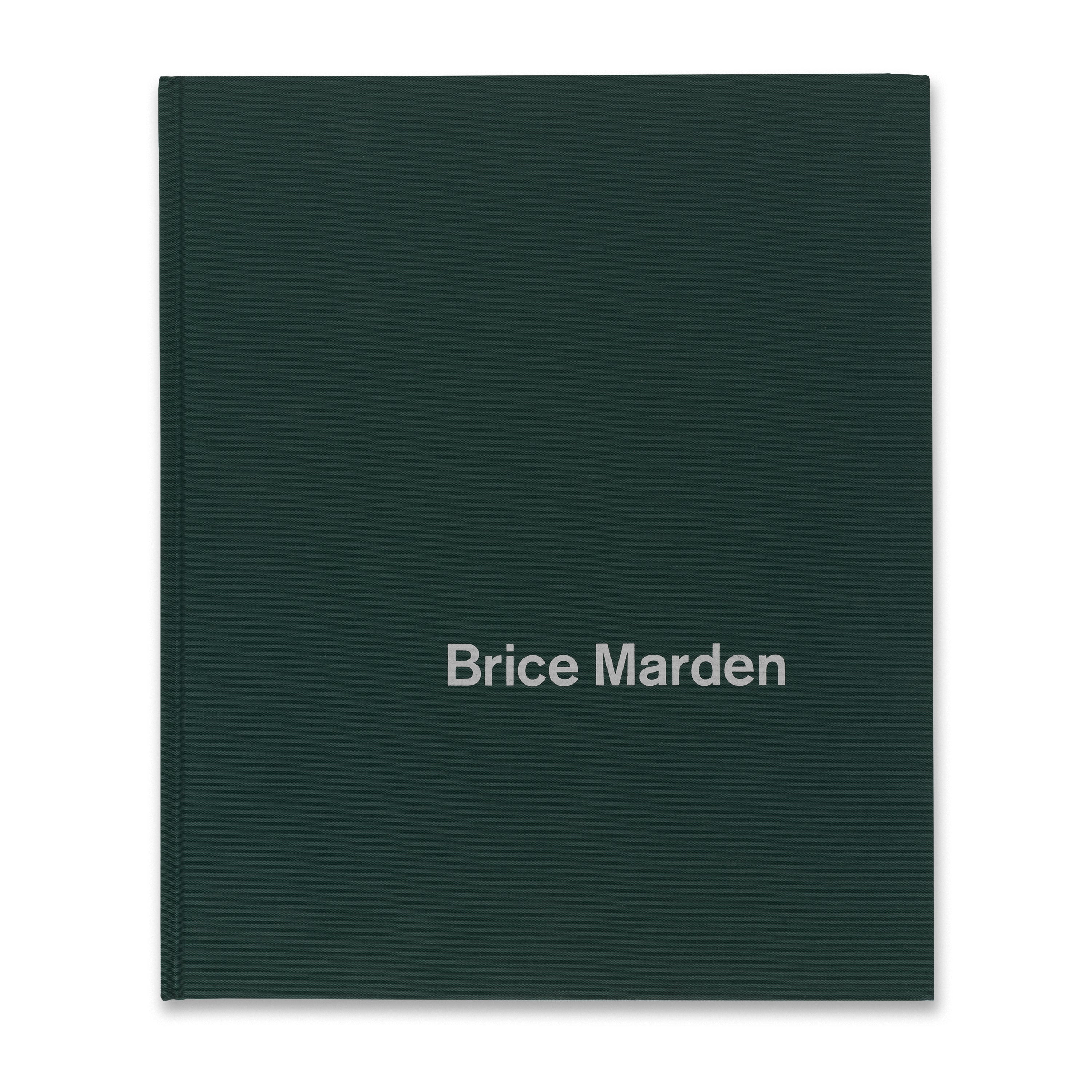
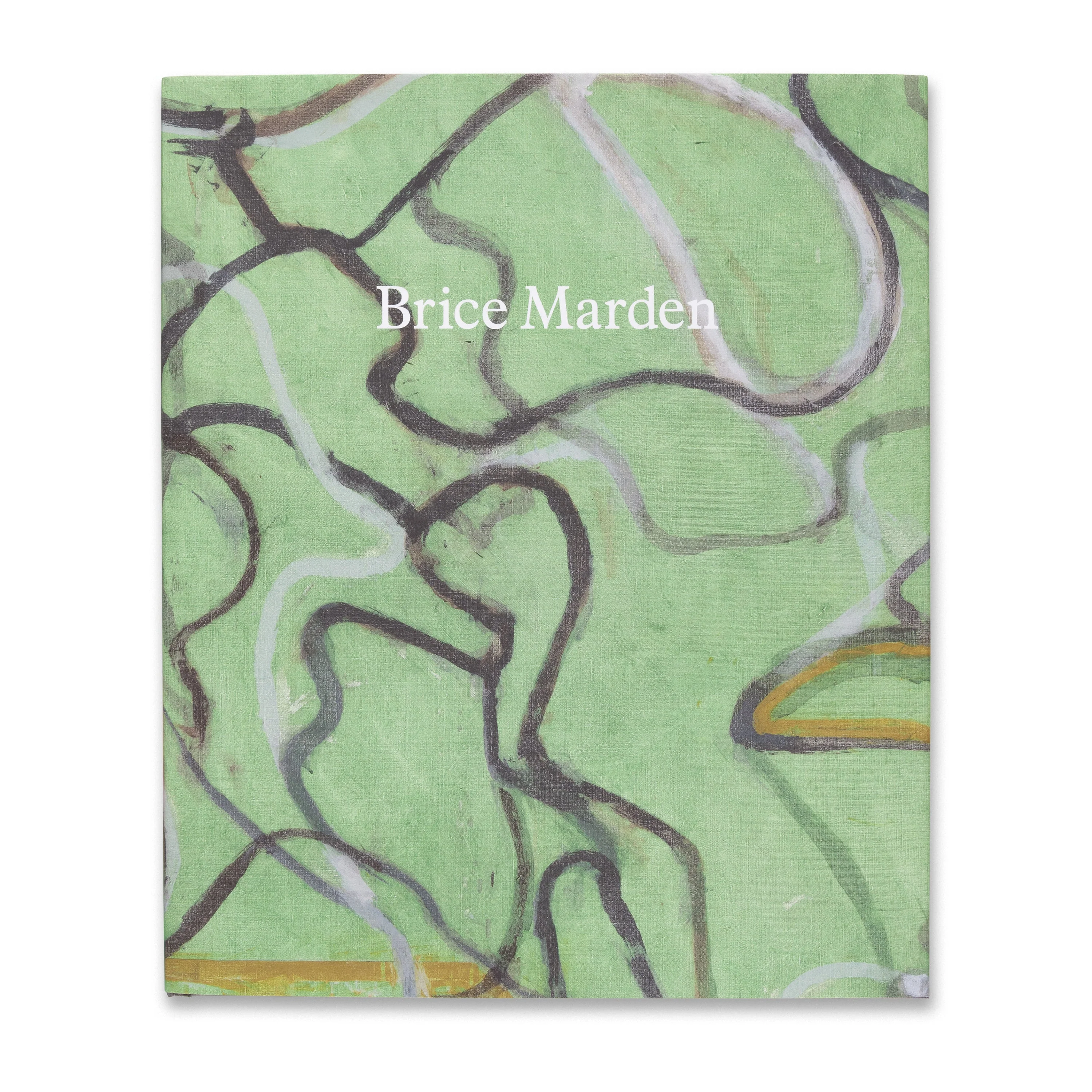
This book was published on the occasion of the exhibition Brice Marden: Works on Paper at Gagosian, rue de Ponthieu, Paris. Organized in collaboration with the Estate of Brice Marden, it featured previously unseen work from the artist’s final two decades, selected by his daughters Mirabelle Marden and Melia Marden, and paid tribute to Marden’s long ties to the city.
This selection of works shows that, for Marden, drawing was as valuable as painting, and reveals his commitment to employing it in the abstract depiction of place. During a visit to Paris in 1964, the artist produced gridded monochrome works using charcoal rubbings of the tiled walls in the home where he stayed, and this graphic documentation of his surroundings constituted a significant intuitive leap. Also evident in Marden’s development of distinctive gestural marks is his fascination with conceptual choreography; his works on paper show—as do his paintings—how light and color can dance.
The publication includes color reproductions of the more than thirty works in the exhibition as well as details and a photograph of the artist in his studio. It also features “A Direct Form of Expression,” an introductory text by art historian Eileen Costello that traces the key role of drawing in the artist’s practice, exploring what it reveals about his artistic interests and techniques.
Product Information
Product Information
Shipping & Returns
Shipping & Returns


Brice Marden: Works on Paper
Brice Marden: Works on Paper
This book was published on the occasion of the exhibition Brice Marden: Works on Paper at Gagosian, rue de Ponthieu, Paris. Organized in collaboration with the Estate of Brice Marden, it featured previously unseen work from the artist’s final two decades, selected by his daughters Mirabelle Marden and Melia Marden, and paid tribute to Marden’s long ties to the city.
This selection of works shows that, for Marden, drawing was as valuable as painting, and reveals his commitment to employing it in the abstract depiction of place. During a visit to Paris in 1964, the artist produced gridded monochrome works using charcoal rubbings of the tiled walls in the home where he stayed, and this graphic documentation of his surroundings constituted a significant intuitive leap. Also evident in Marden’s development of distinctive gestural marks is his fascination with conceptual choreography; his works on paper show—as do his paintings—how light and color can dance.
The publication includes color reproductions of the more than thirty works in the exhibition as well as details and a photograph of the artist in his studio. It also features “A Direct Form of Expression,” an introductory text by art historian Eileen Costello that traces the key role of drawing in the artist’s practice, exploring what it reveals about his artistic interests and techniques.
Original: $50.00
-65%$50.00
$17.50Product Information
Product Information
Shipping & Returns
Shipping & Returns
Description
This book was published on the occasion of the exhibition Brice Marden: Works on Paper at Gagosian, rue de Ponthieu, Paris. Organized in collaboration with the Estate of Brice Marden, it featured previously unseen work from the artist’s final two decades, selected by his daughters Mirabelle Marden and Melia Marden, and paid tribute to Marden’s long ties to the city.
This selection of works shows that, for Marden, drawing was as valuable as painting, and reveals his commitment to employing it in the abstract depiction of place. During a visit to Paris in 1964, the artist produced gridded monochrome works using charcoal rubbings of the tiled walls in the home where he stayed, and this graphic documentation of his surroundings constituted a significant intuitive leap. Also evident in Marden’s development of distinctive gestural marks is his fascination with conceptual choreography; his works on paper show—as do his paintings—how light and color can dance.
The publication includes color reproductions of the more than thirty works in the exhibition as well as details and a photograph of the artist in his studio. It also features “A Direct Form of Expression,” an introductory text by art historian Eileen Costello that traces the key role of drawing in the artist’s practice, exploring what it reveals about his artistic interests and techniques.